





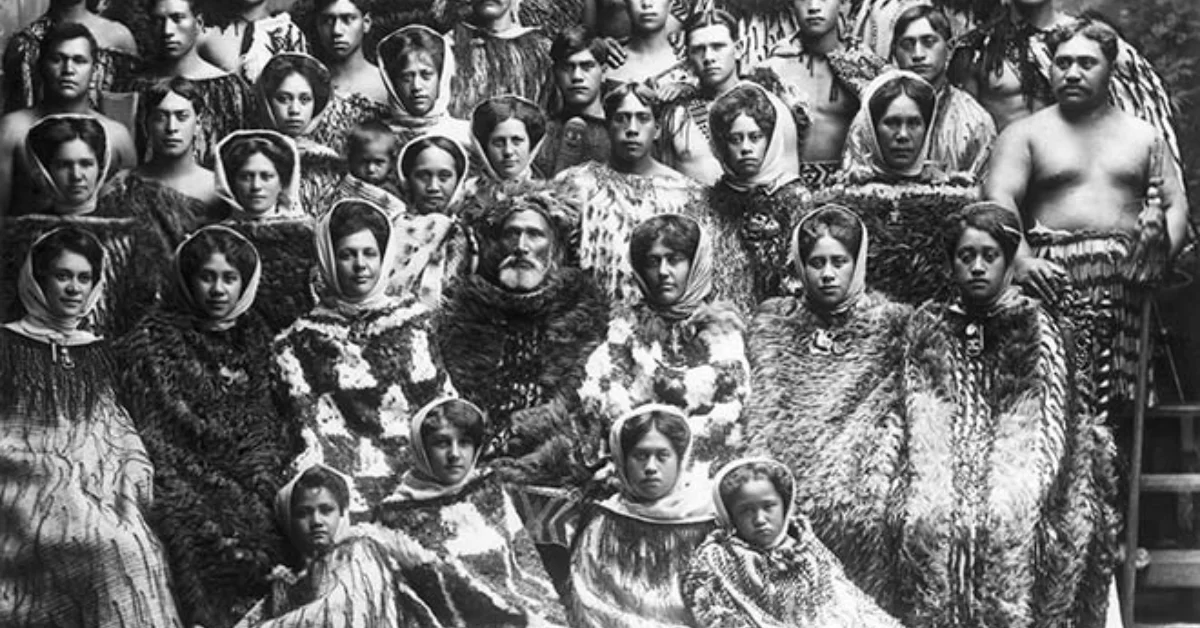
In the twilight of the 19th and dawn of the 20th centuries, Sydney’s Clontarf pleasure grounds were a hub of festivity, drawing crowds with their music, dancing, and merriment. Yet, in 1909 and 1910, a unique spectacle graced its shores—a Māori village alive with the rhythms and traditions of Aotearoa.
Read: Redcliffe to Welcome Plunge Bathhouse and Recovery Centre
Maggie Papakura’s Vision
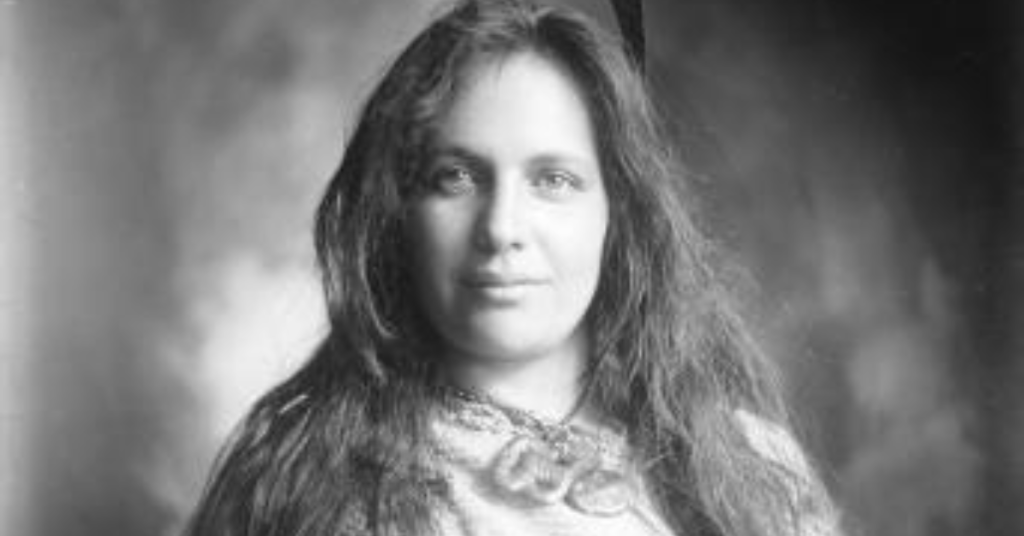
This cultural marvel was the brainchild of Makereti Papakura, affectionately known as Maggie. Born of Māori and English heritage, Papakura was a celebrated guide at the geothermal wonderland of Whakarewarewa, near Rotorua. Her fluency in English and grace as a hostess had charmed even royalty, including the Duke and Duchess of York and Cornwall during their 1901 visit.
Harnessing her cultural roots, Papakura assembled the Te Arawa troupe, a vibrant ensemble of dancers and singers from her native Whakarewarewa. The troupe’s 1909 debut in Sydney, complete with an intricately carved Māori village, was groundbreaking, marking the first cultural exchange on Australian soil.
A Village Takes Shape
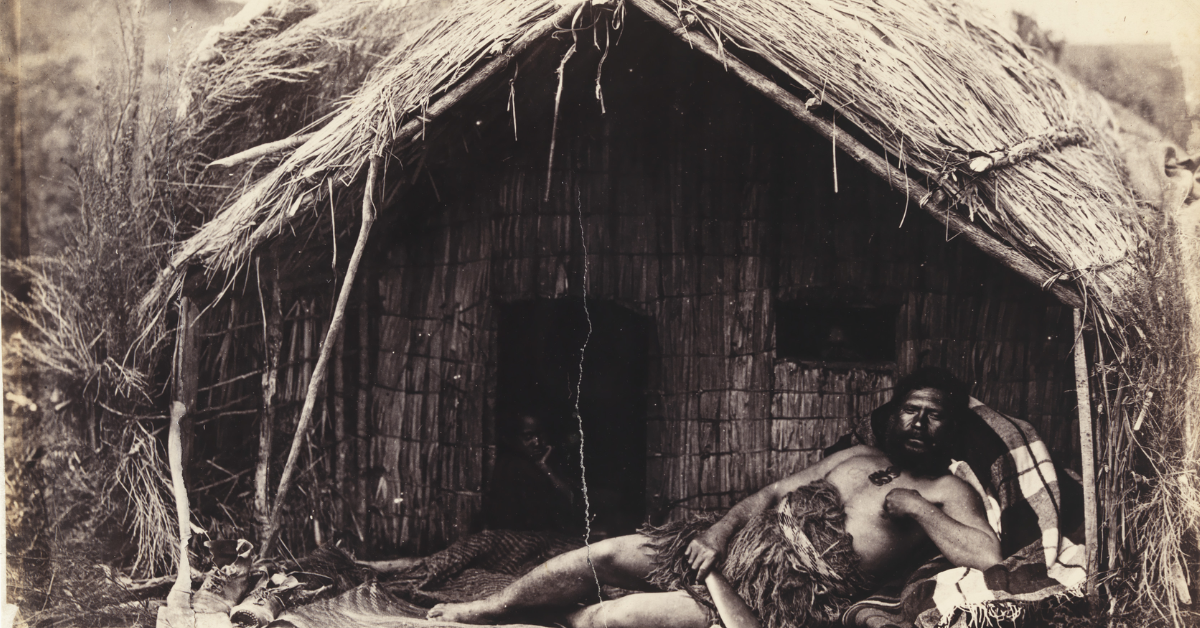
The Clontarf picnic ground transformed into a living tableau of Māori life. Runanga, a grand meeting house, stood in the centre of the area, with huts, storehouses, and imposing war canoes on either side.
This microcosm of Aotearoa, enclosed by a traditional picket fence, captivated Sydney’s residents, whose fascination with Māori culture had been piqued by the All-Māori rugby league team’s recent tour.
Performances and Pageantry
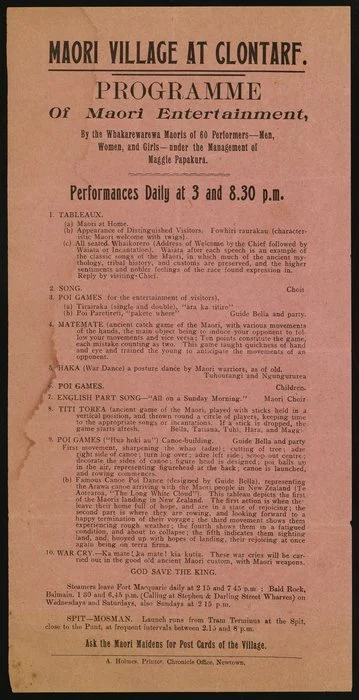
Under the astute management of Charles Westmacott, a luminary of the Australian theatre scene, the Te Arawa troupe enthralled audiences with their dynamic performances. Haka dances, poi dances, and a blend of English and Māori songs resonated through the grounds. Electric lights, a novelty for the era, illuminated their night-time shows.
The Māori war canoes, a sight to behold, were not mere static displays. On one memorable occasion, the largest canoe embarked on a majestic journey from Clontarf to Cremorne Point, its paddlers navigating the harbour with remarkable skill.
The village wasn’t solely a stage for performances. It served as a poignant reminder of cultural practices. A traditional Māori funeral, or tangi, held for a deceased Māori footballer, moved onlookers with raw emotion and ritualistic beauty. The mournful cries echoing across the harbour underscored the depth and richness of Māori traditions.
Beyond the Village
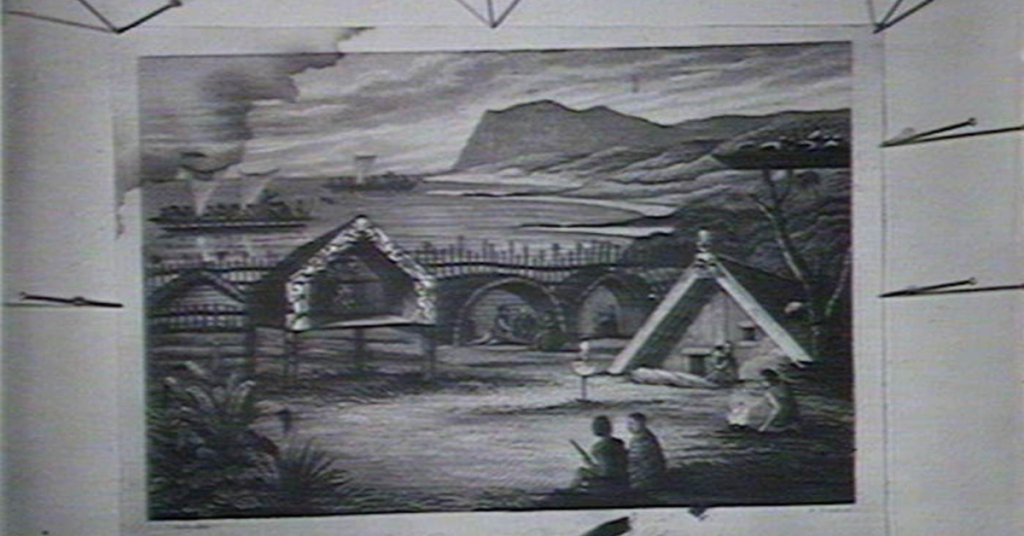
Photo Credit: Trove
The Te Arawa troupe’s influence extended beyond Clontarf. They graced stages across Sydney, captivating audiences with “The Legend of Hinemoa,” a Māori love story as timeless as any Shakespearean tragedy.
A Lasting Legacy
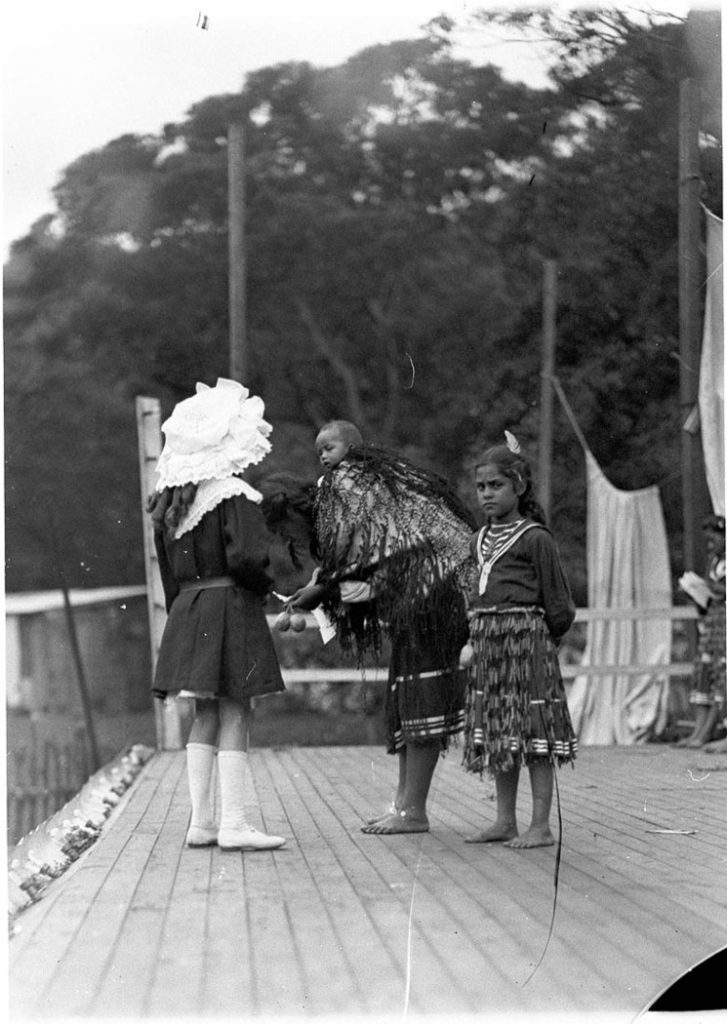
Photo Credit: Trove
The Māori village at Clontarf was more than just an exotic spectacle. It was a testament to the enduring power of culture, a bridge between two worlds. Though the troupe’s final performance in Australia was on March 19, 1911, their impact reverberated long after. Their journey to London for the coronation of King George V solidified their place as ambassadors of Māori culture on the global stage.
Read: Headspace Redcliffe Marks 10 Years of Youth Mental Health Support
Today, Clontarf is a silent witness to this remarkable chapter in history. Though the village is long gone, the echoes of its songs and dances linger, a reminder of the vibrant cultural exchange that once unfolded on its shores.
Published Date 09-August-2024